

Nature in Romagna
Woods, wetlands and rock change within a few dozen kilometres, from the Adriatic Sea to the Apennine ridge. Four parks (one national, three regional) plus a handful of adventure parks give a concrete idea of where to go on foot, by bike or to watch birds.
The Foreste Casentinesi National Park
On the western side, along the Tuscan border, the Foreste Casentinesi, Monte Falterona and Campigna National Park was established in 1993. It protects about 36,000 hectares of woods, streams and waterfalls, which can be covered on foot, by mountain bike, on horseback or, in winter, on touring skis and snowshoes.
Within its boundaries, the Sasso Fratino Integral Nature Reserve, the first ever established in Italy, in 1959, protects old-growth beech forests that became a UNESCO World Heritage site in 2017. The Ridracoli dam, reached by boat or canoe, is also within the park.
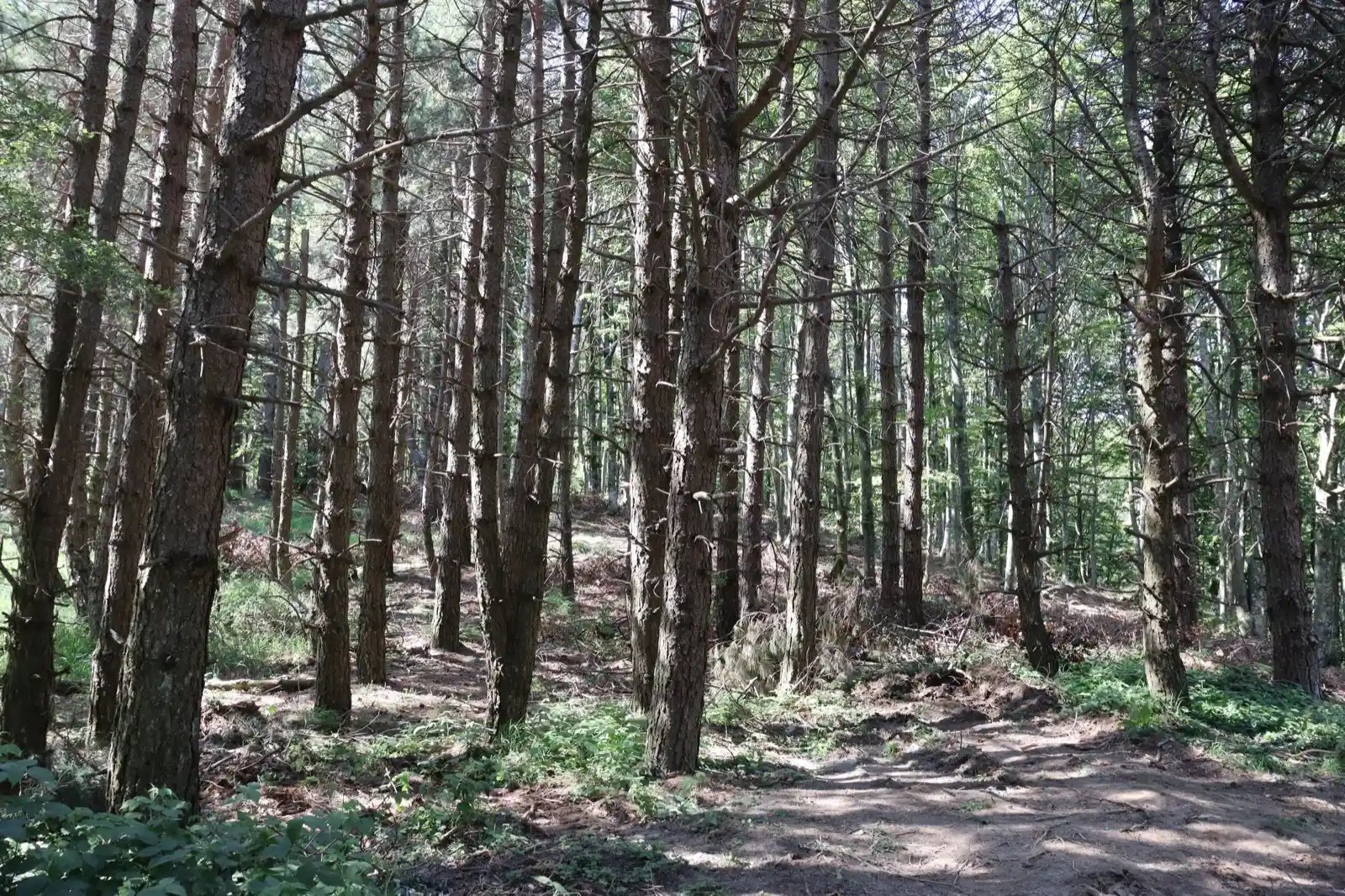
The Vena del Gesso Romagnola Regional Park
Between the Sillaro valley and Brisighella, the Vena del Gesso Romagnola Regional Park has protected a gypsum ridge about 25 kilometres long since 2005: 6,063 hectares across the provinces of Bologna and Ravenna, the most imposing formation of its kind in Italy. Trails such as the Sentiero degli Abissi and the Sentiero dei Cristalli, and the Grotta del Re Tiberio cave, start from here.
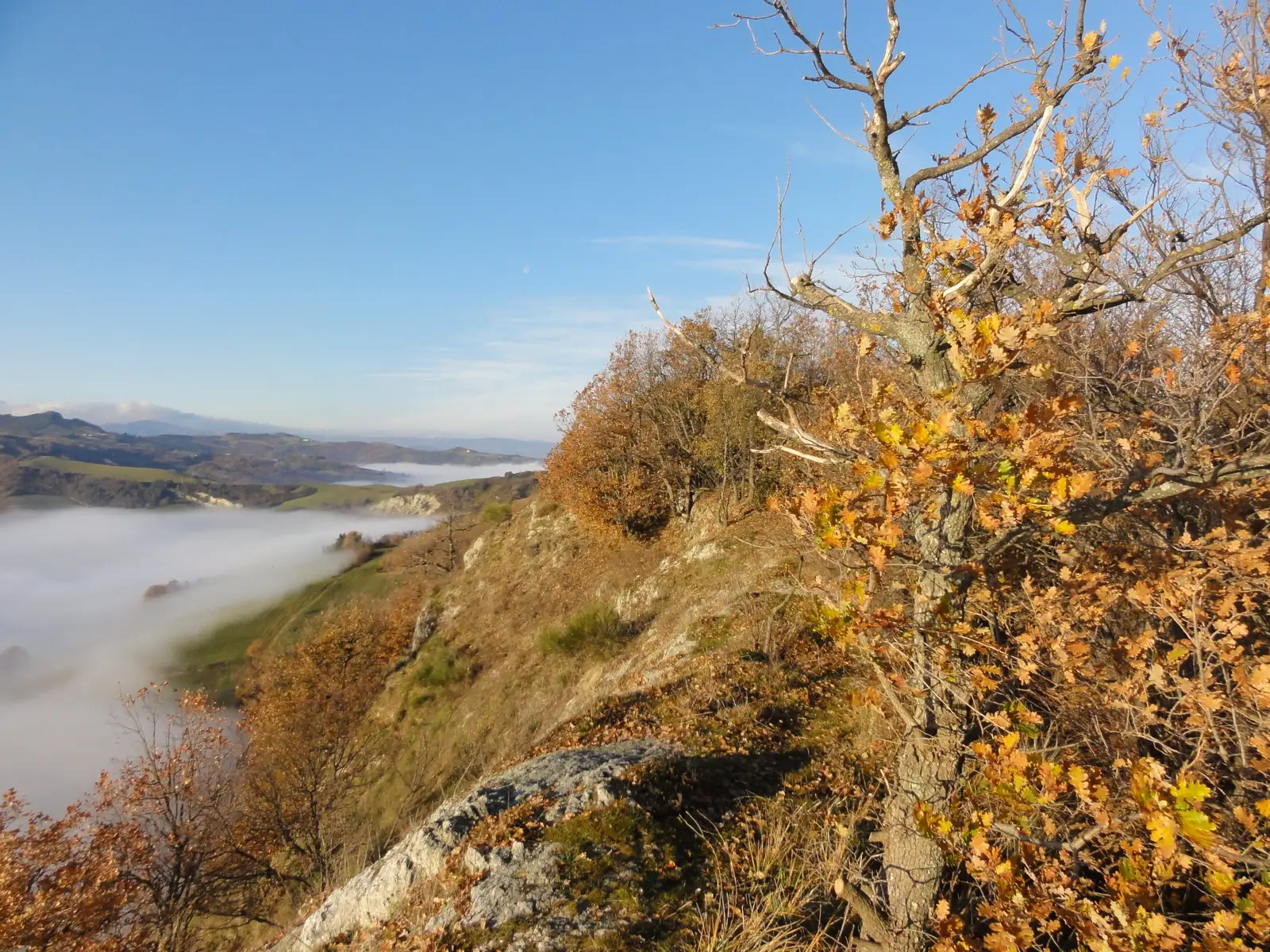
The Po Delta Regional Park
Where the plain meets the Adriatic, the Po Delta Regional Park protects over 54,000 hectares between Ferrara and Ravenna, Italy's largest wetland. It is home to about 350 bird species (flamingos, herons, black-winged stilts) and is one of Italy's most sought-after destinations for birdwatching. Pine woods, salt pans and canals can be crossed on foot or by boat. The Delta has been a UNESCO Biosphere Reserve since 2015.
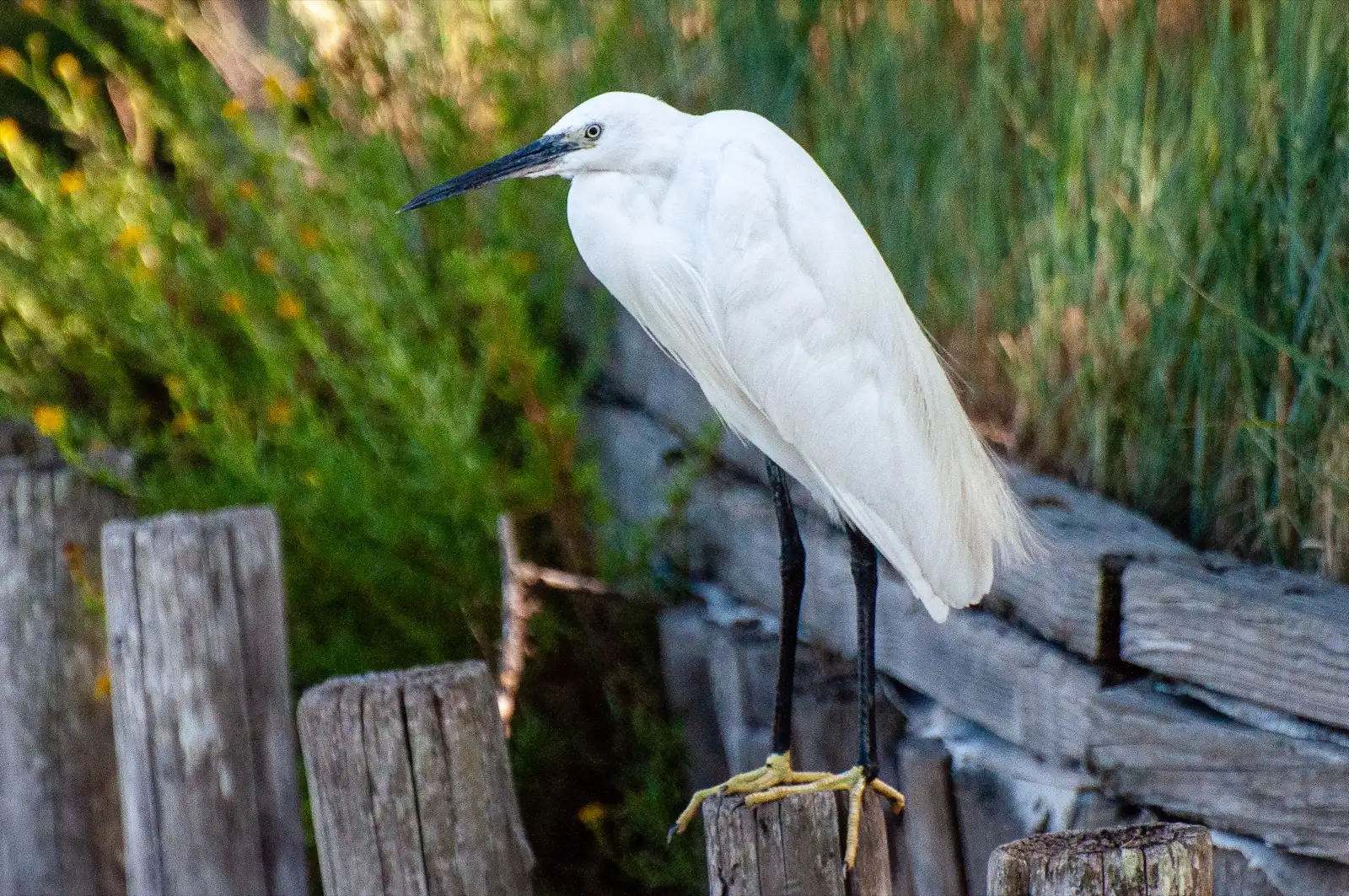
The Sasso Simone e Simoncello Park
On the border with the Marche, the Sasso Simone e Simoncello Regional Nature Park has protected 4,847 hectares of the Montefeltro since 1994. The landscape here is harsher, marked by the two limestone blocks that give the park its name. Its dense network of bridleways makes it popular for horse riding and mountain biking.
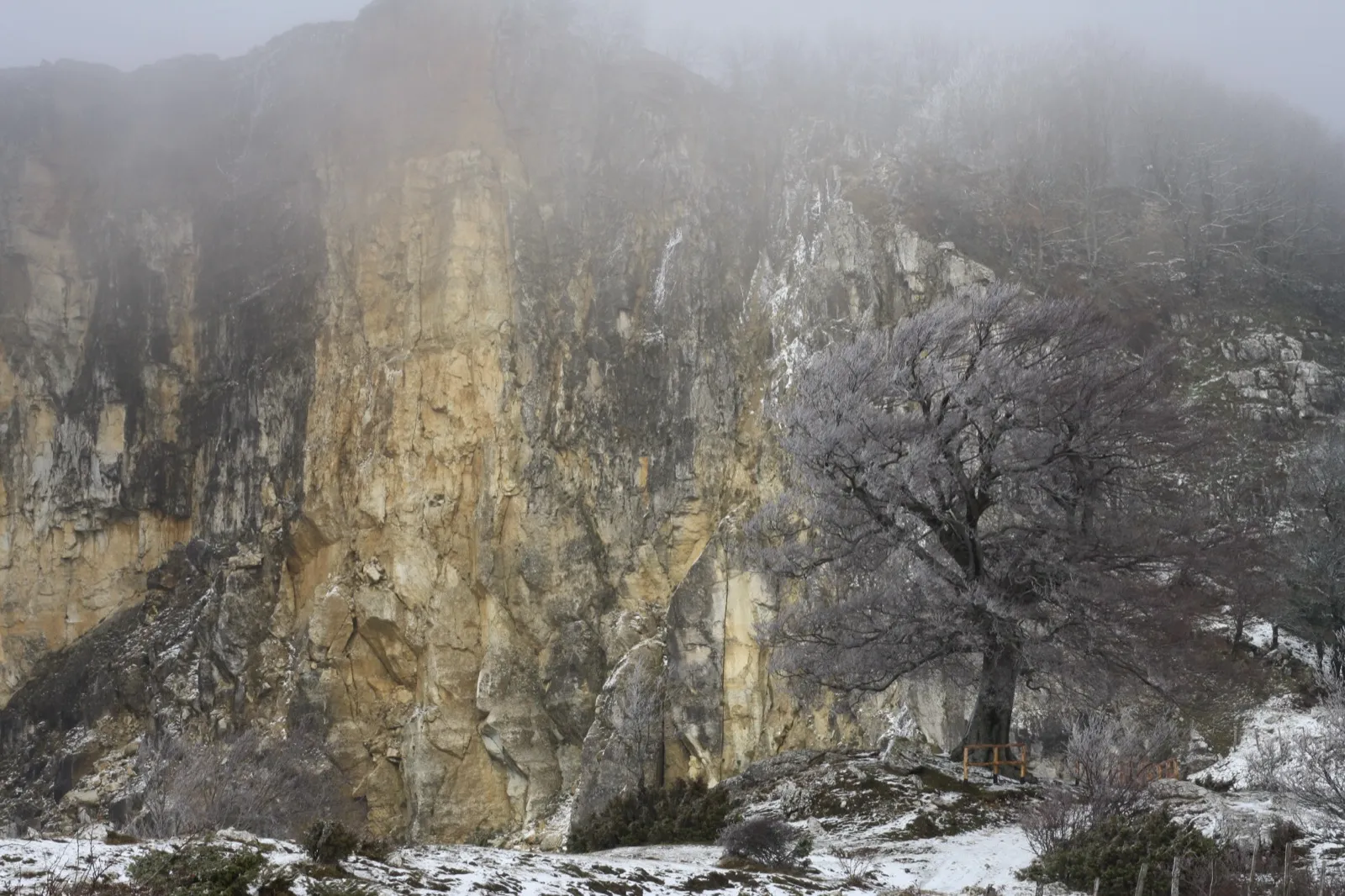
Adventure parks among the trees
If you prefer rope courses to a classic hike, the area has Sky Park at Novafeltria, San Marino Adventures in the Republic of San Marino, and CerviAvventura in the Cervia pine wood: rope bridges, lianas and tree-top crossings.