
Thermal baths and wellbeing
In Romagna, thermal baths are not just on the coast. On the coast, in the Forlì-Faenza inland area and in the Apennines you'll find establishments with different waters, muds and therapeutic uses. Almost all of them pair medical treatments with wellness programmes and a cosmetics line based on their own waters.
On the coast
Rimini Terme faces the beach at Miramare. Its thalassotherapy uses five seawater pools between 29 and 34°C; the Beauty Spa Termale adds a sauna, Turkish bath and a salt room.

A few kilometres away, Riccione Terme draws on four springs, including Isabella, Claudia-Riccione and Celestina. Sulphurous and salt-bromine-iodine waters, indicated for the airways and joint conditions; the beauty muds are made with clay from San Leo. The pools at Perle d'Acqua, the resort's wellness park, use the same thermal water.
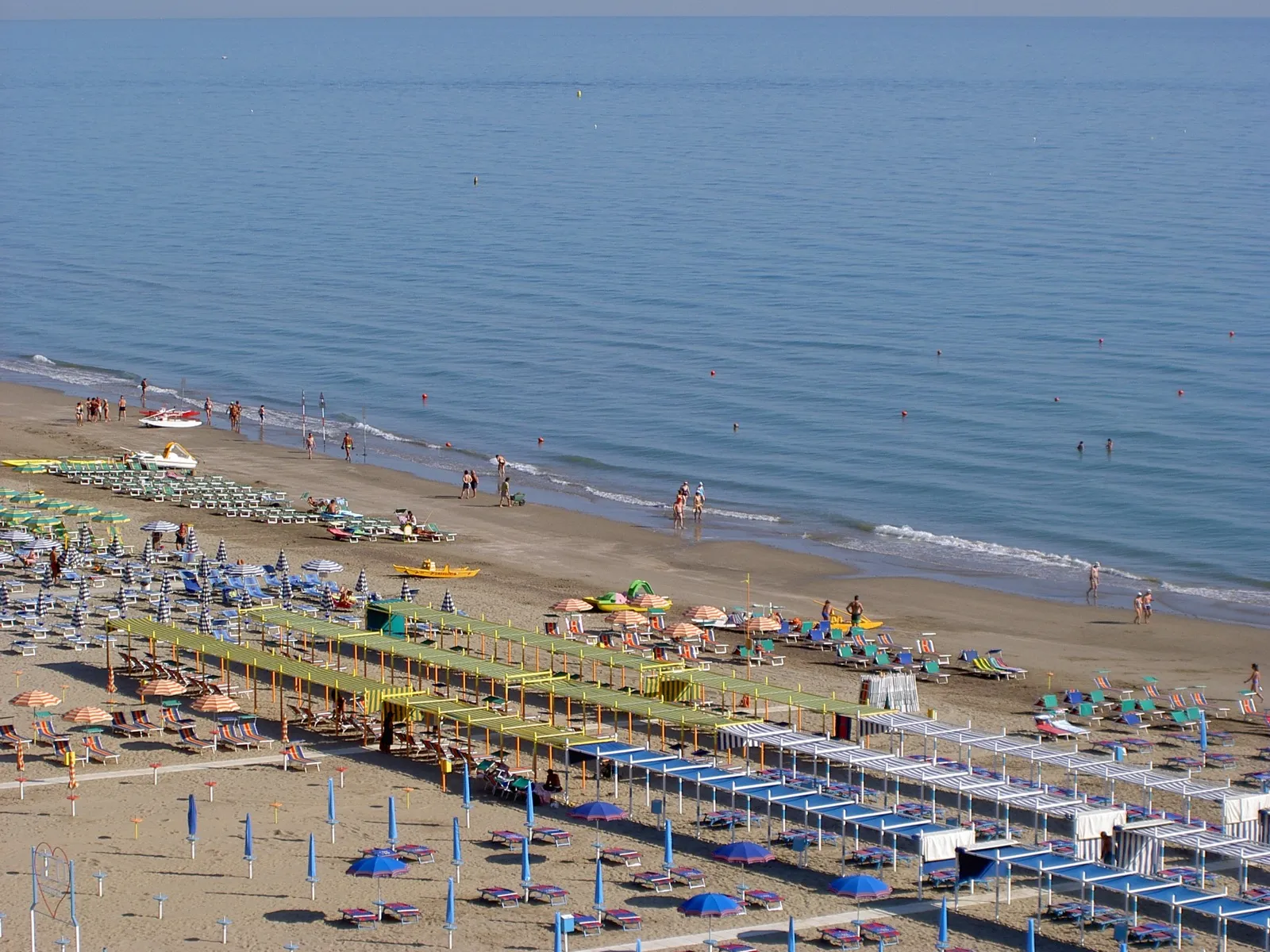
At Cervia, Terme di Cervia sits next to a 27-hectare pine wood and uses the sweet salt from the Cervia salt pans, with anti-inflammatory and draining properties. The indoor thermal pool measures 30 by 15 metres and stays at a constant 33°C.
Inland
Between Forlì and Faenza, Terme di Castrocaro uses mineral-rich, green-coloured salt-bromine-iodine waters that rise from the Rupe dei Cozzi valley. They are indicated for respiratory, vascular, rheumatic and gynaecological conditions.
Terme di Riolo Bagni, running since 1870 in the Vena del Gesso Regional Park, draws water from 80 metres down through 60 springs. The muds, also spring-sourced and collected in the Bergullo mud volcanoes, are unique in Emilia-Romagna.
In the Apennines
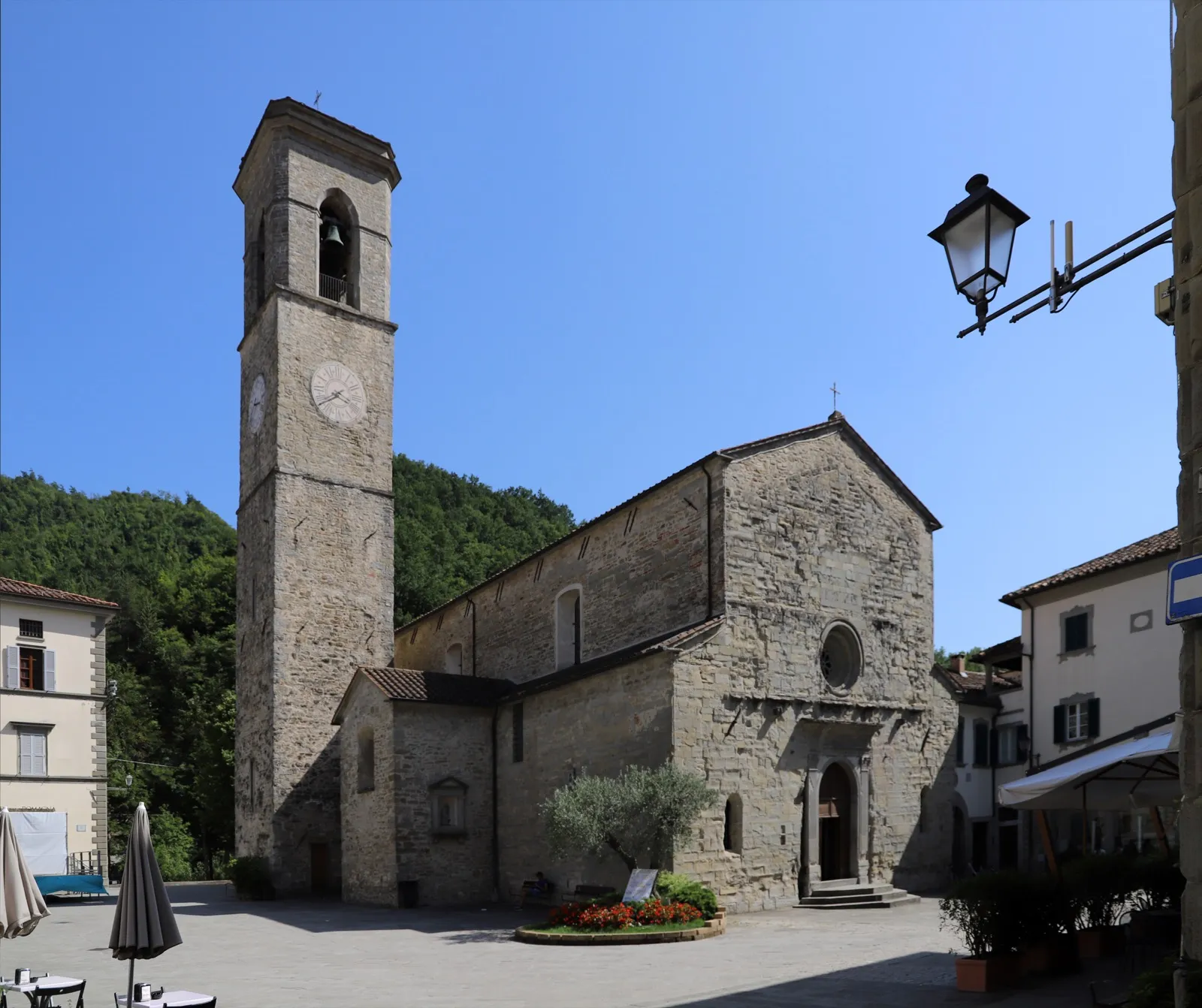
The springs at Bagno di Romagna were already known in Roman times. The water emerges at 14, 39 and 45°C in the two establishments with attached hotels, Terme di Sant'Agnese and Ròseo Euroterme, set in the green of the Foreste Casentinesi.